
Health & Climate Resilience
In rural India, health and climate are inseparable – and both are inseparable from a child’s future. Erratic monsoons destroy harvests. Contaminated water causes preventable illness. Poor nutrition stunts development before a child even reaches school. And for girls especially, the absence of menstrual health education and safe sanitation is enough to end an education entirely. At Parinaama, we address health and climate not as background issues – but as frontline ones.
Menstrual Health & Hygiene
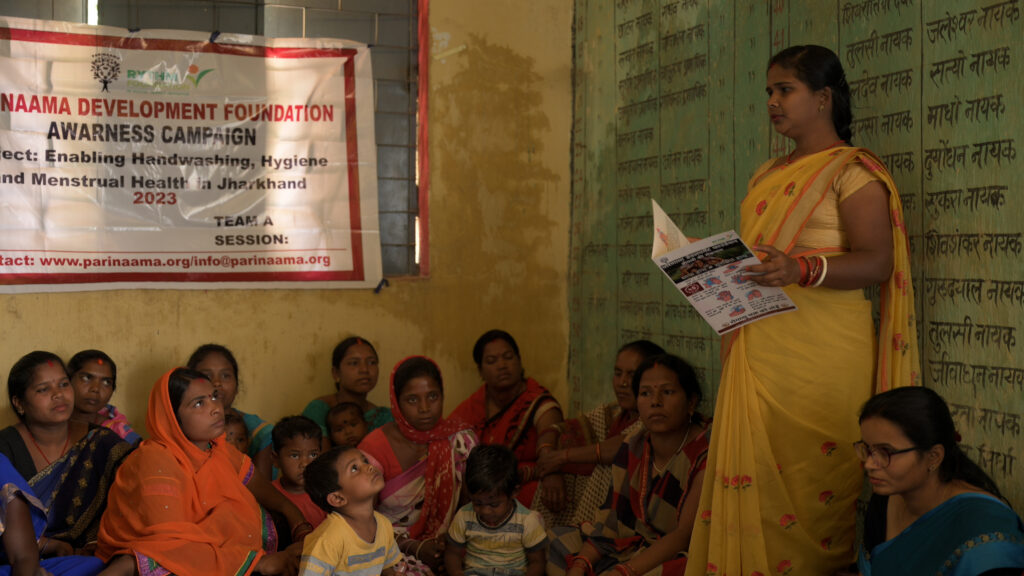
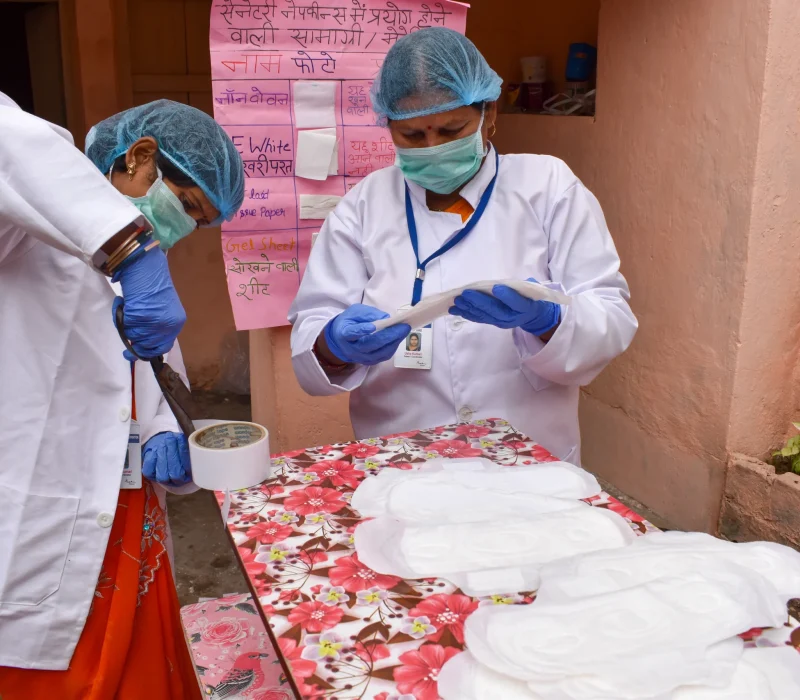
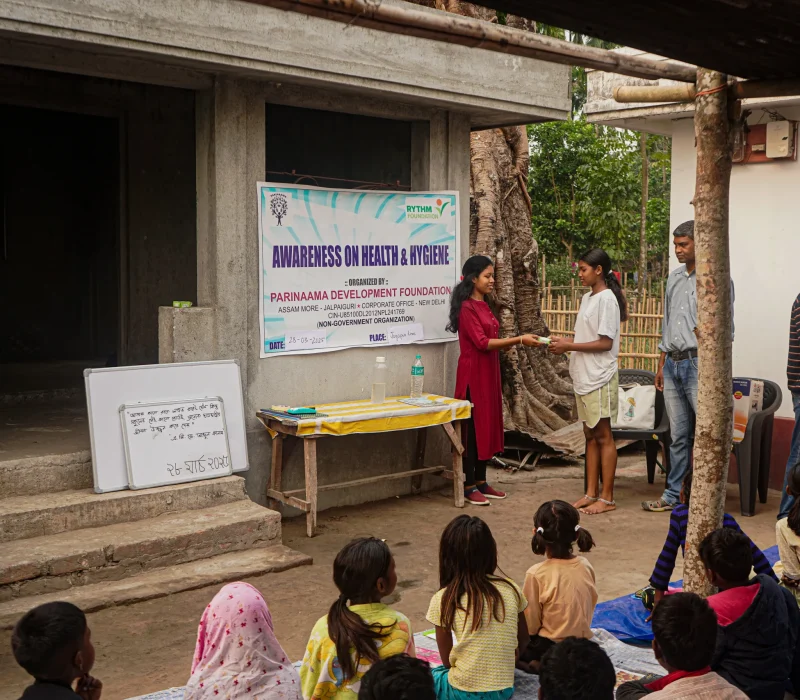
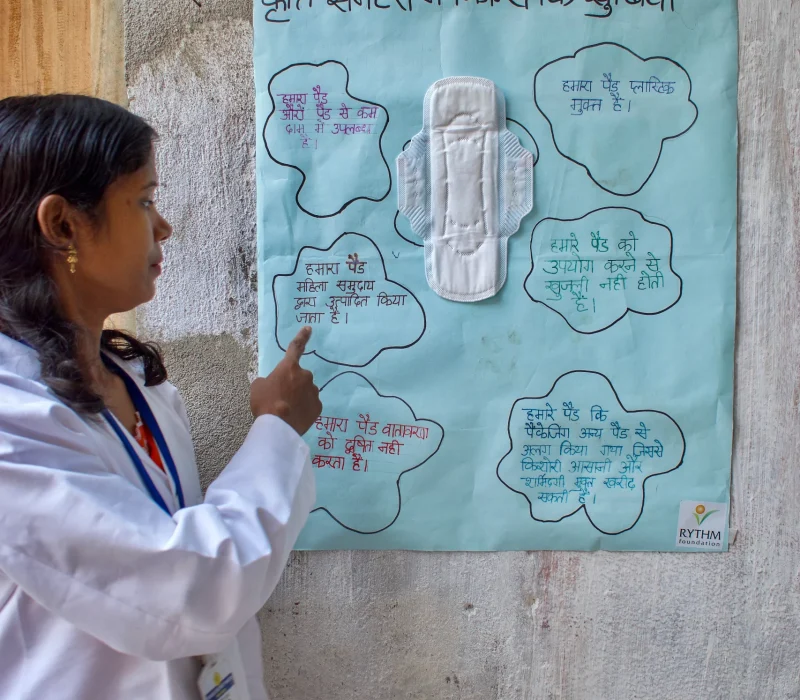
For adolescent girls in rural India, menstruation is still shrouded in stigma – and that stigma costs them their education. We have conducted 500+ awareness and discussion sessions in schools, Anganwadi centres, and community halls across Bihar and Jharkhand – breaking taboos, promoting safe practices, and ensuring girls have access to menstrual health products so that nothing interrupts their learning
Nutrition & Child Health
Malnutrition is invisible but devastating – stunting a child’s physical and cognitive development before they even begin school. We run nutrition sensitisation programmes focused on maternal and child health, promoting locally available foods like millets and mushrooms, and educating families on balanced feeding practices. A well-nourished child is a child ready to learn.
Health Camps & Primary Care
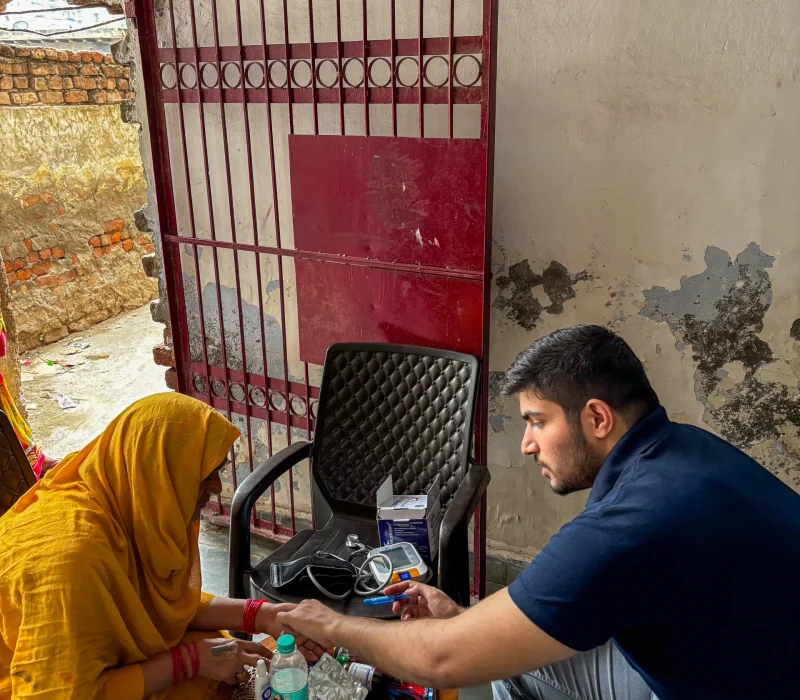
For communities in remote villages, accessing healthcare means a full day’s travel – and most families simply cannot afford it. We bring healthcare to them. Our routine health camps – dental, eye, and mother and child – deliver check-ups, oral hygiene sessions, and anaemia awareness directly to the communities that need it most, especially for adolescent girls and pregnant women.
Sanitation & Clean Water
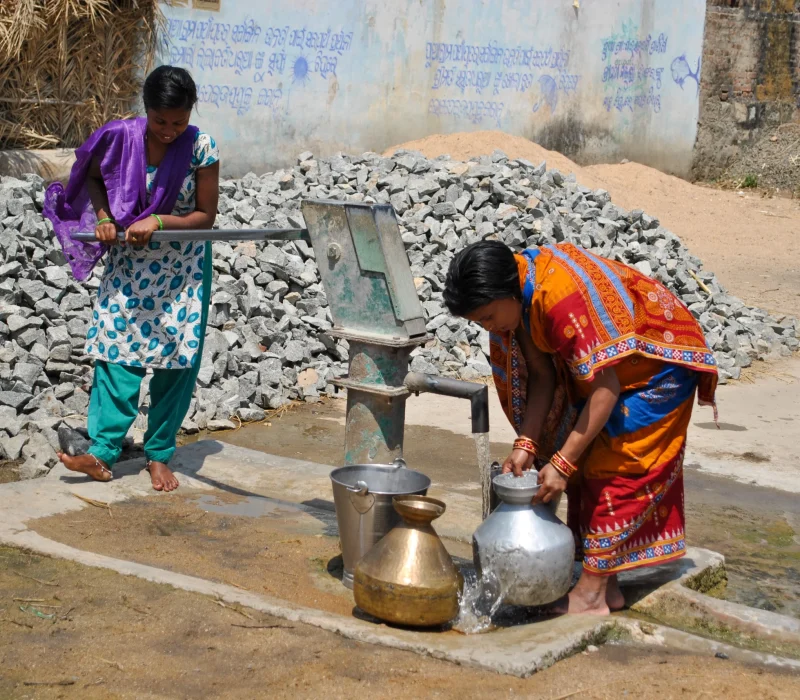
Open defecation and unsafe water are among the leading causes of preventable illness in rural India – and children bear the highest cost. We run community-wide hygiene campaigns, have conducted handwashing programmes in 100+ schools across Odisha, Bihar, and Jharkhand, and built community sanitation infrastructure. Clean water and safe sanitation are not luxuries – they are the foundation of a child’s health and dignity.
Community Health Volunteers
The best health workers are those who already belong to the community. We train frontline Community Health Volunteers as knowledge brokers – equipping them with information on maternal and child health, infectious diseases, non-communicable diseases, and basic emergency care. These volunteers become the health backbone of their villages, ensuring that critical information reaches every family, in their own language, when it matters most.
Climate & Environmental Resilience
Climate change is not a future threat for rural India – it is a present reality. Erratic rainfall, extreme heat, and failing harvests are already disrupting lives, livelihoods, and children’s schooling. We build climate resilience at the community level – promoting sustainable farming practices, clean water conservation, and climate-smart habits among youth – so that communities can adapt, withstand shocks, and protect the futures of their children.
OUR APPROACH
We deliver health awareness and services in the language, format, and location that communities can actually access. Our sessions happen in schools, Anganwadi centres, community halls, and open fields – wherever people gather. We work through local health volunteers, women’s groups, and frontline workers who are trusted members of the same communities they serve. Because information only changes behaviour when it comes from someone you know.
IMPACT

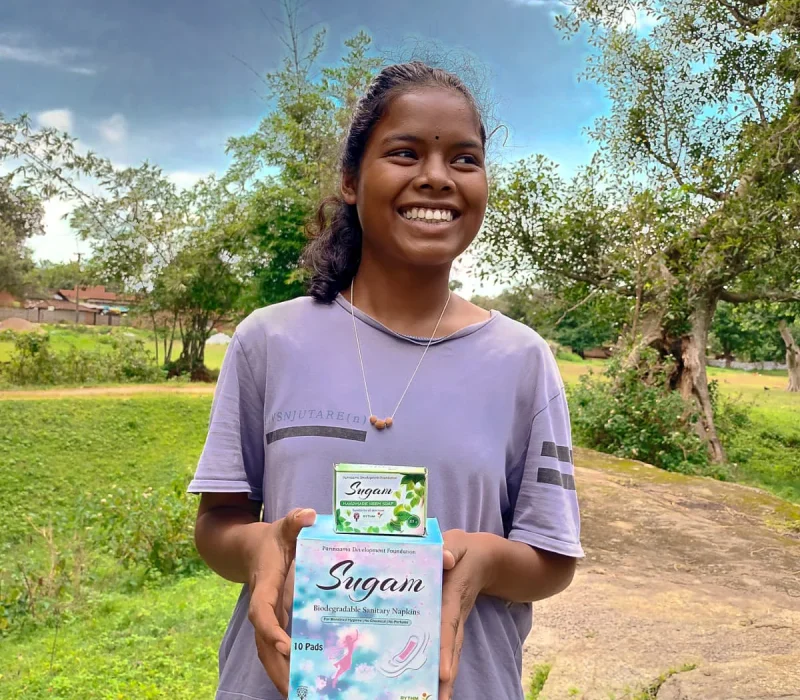
"Before the sessions at our school, nobody talked about periods. I used to miss four or five days every month. I thought that was just how it was. After Parinaama's programme, I understood what was happening to my body - and I had what I needed to stay in school. I haven't missed a single day since."
Sunita is 14 years old and attends a government school in rural Jharkhand. After participating in Parinaama's Menstrual Health & Hygiene programme, she became a peer educator - sharing what she learned with girls in her village who had no access to school.