
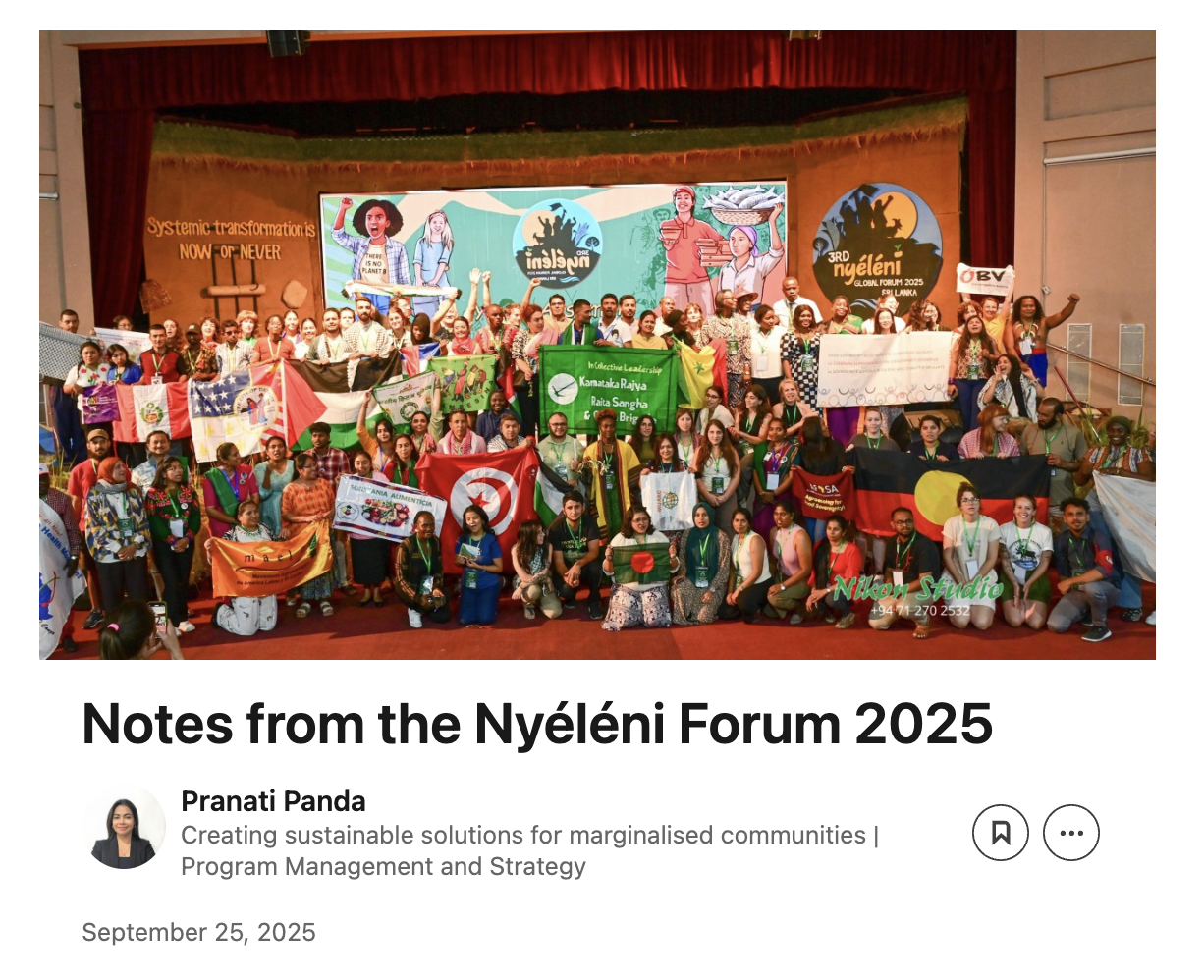
It’s 8.50 a.m. and I’m tucked into the back row of an expansive echoing auditorium in Kandy, Sri Lanka. The chatter in the room gets louder as people begin to pour in. Phone numbers being exchanged, pamphlets and brochures being shared. There’s lots of hugging and reminiscing about the years passed. A sense of nostalgia and warmth has filled the air.
Are people already networking? Why are things moving so fast?
I found myself seated next to a tall British woman named Rossana Morris, who was quietly sketching in her little notebook. We exchange pleasantries and she mentions that she is an illustrator from Bristol, in the United Kingdom. My mind, wired the way it is, instantly slotted her into a box.
She must be part of the communications team, here to cover the event.
It’s only when she shows me her art themed around horticulture, regenerative farming practices and the natural world, that I knew I couldn’t be more wrong (and that I have made a lifelong friend). She also introduced me to the Fearless Collective, an organization involved in public art interventions with women & misrepresented communities across the world.
On my other side is Zia Martinez, a food justice organizer from Project Feed the Hood in New Mexico. She talks about how the project signed an MOU with the City of Albuquerque to build a community crop garden as a model for what urban green spaces can look like.
I realized that I hadn’t fully grasped the scale at which this forum was operating. We are all gathered in this venue, more than 700 of us from around the world: people, peasants, small-scale fisherfolk, Indigenous Peoples, NGOs, government bodies, scholars, researchers, artists and people from all intersectional disciplines, uniting for the collective struggle for food sovereignty at the Nyéléni Forum 2025.
Food Security, by definition, is when people have continued access to nutritious, healthy food to live a healthy life. Food Sovereignty goes beyond and asks who grows it, how it’s grown, access to culturally appropriate food and whether local communities get to control their food systems.
Have you ever wondered who decides what ends up on your plate? That’s exactly why this term and concept was first championed by La Vía Campesina in 1996. It began with the fight for the fair treatment of farmers, sustainable practices for the environment, and diets that reflect culture and tradition. The 1st Nyéléni Global Forum in Mali took place in 2007 where the participants collectively defined the Six Pillars of Food Sovereignty and created a global action plan, putting people, not corporations, at the center of food systems. The 2nd forum in 2015 evolved to include agroecology, showing that farming could be both sustainable and socially just. This year, at the 3rd Global Forum, the conversation broadened and included movements for energy sovereignty, feminist and solidarity economies, community health, and forest protection.
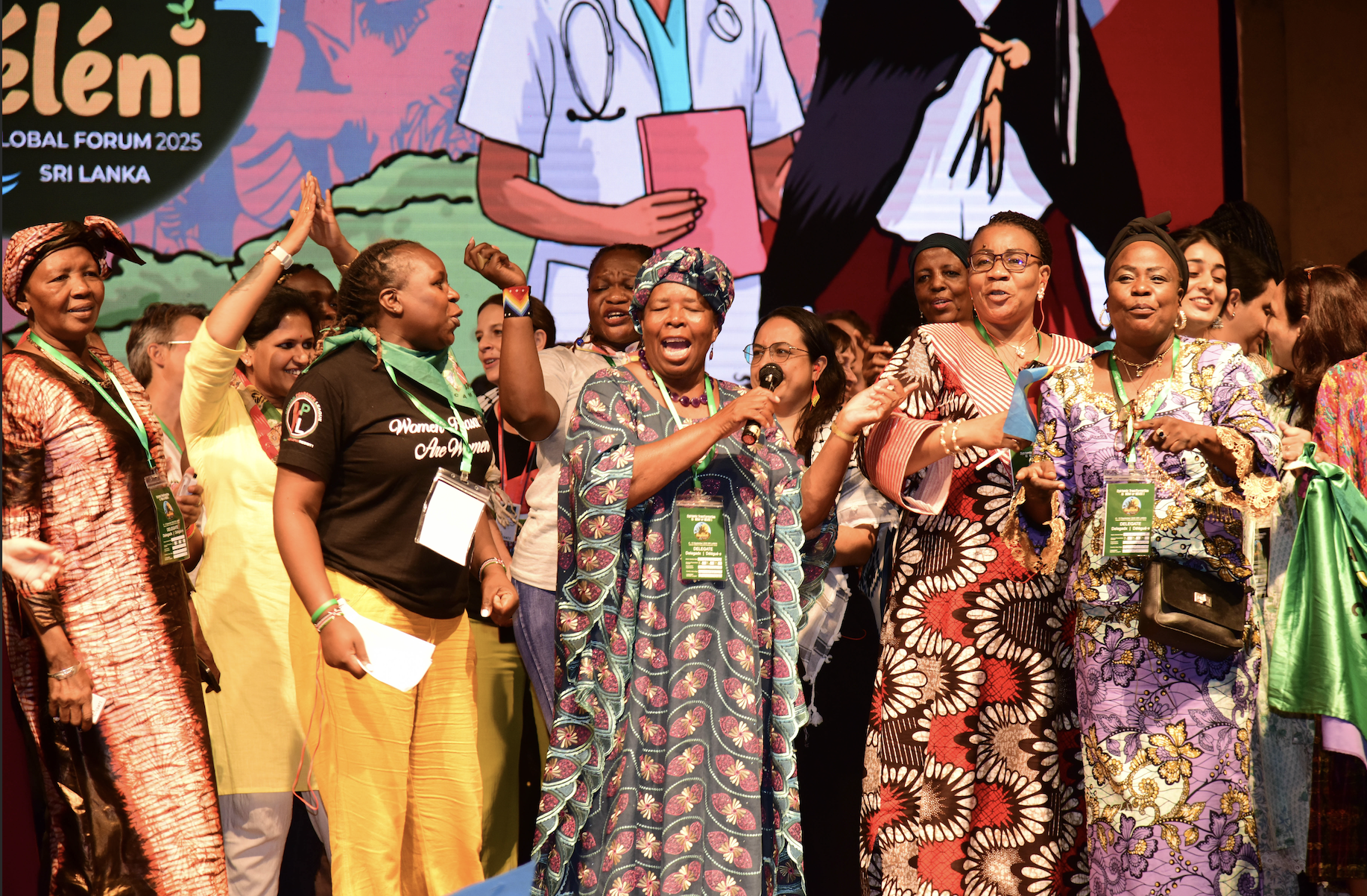
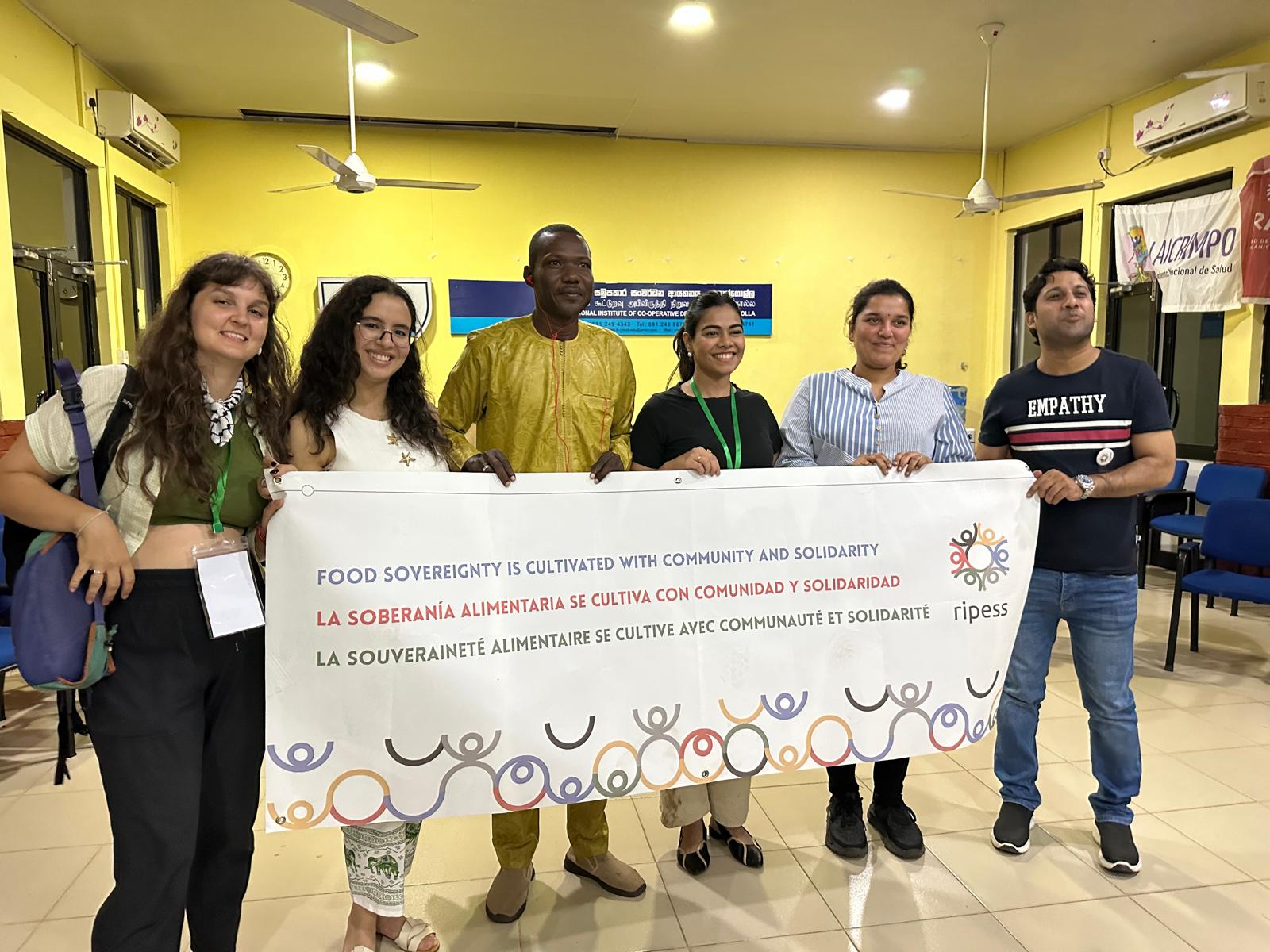
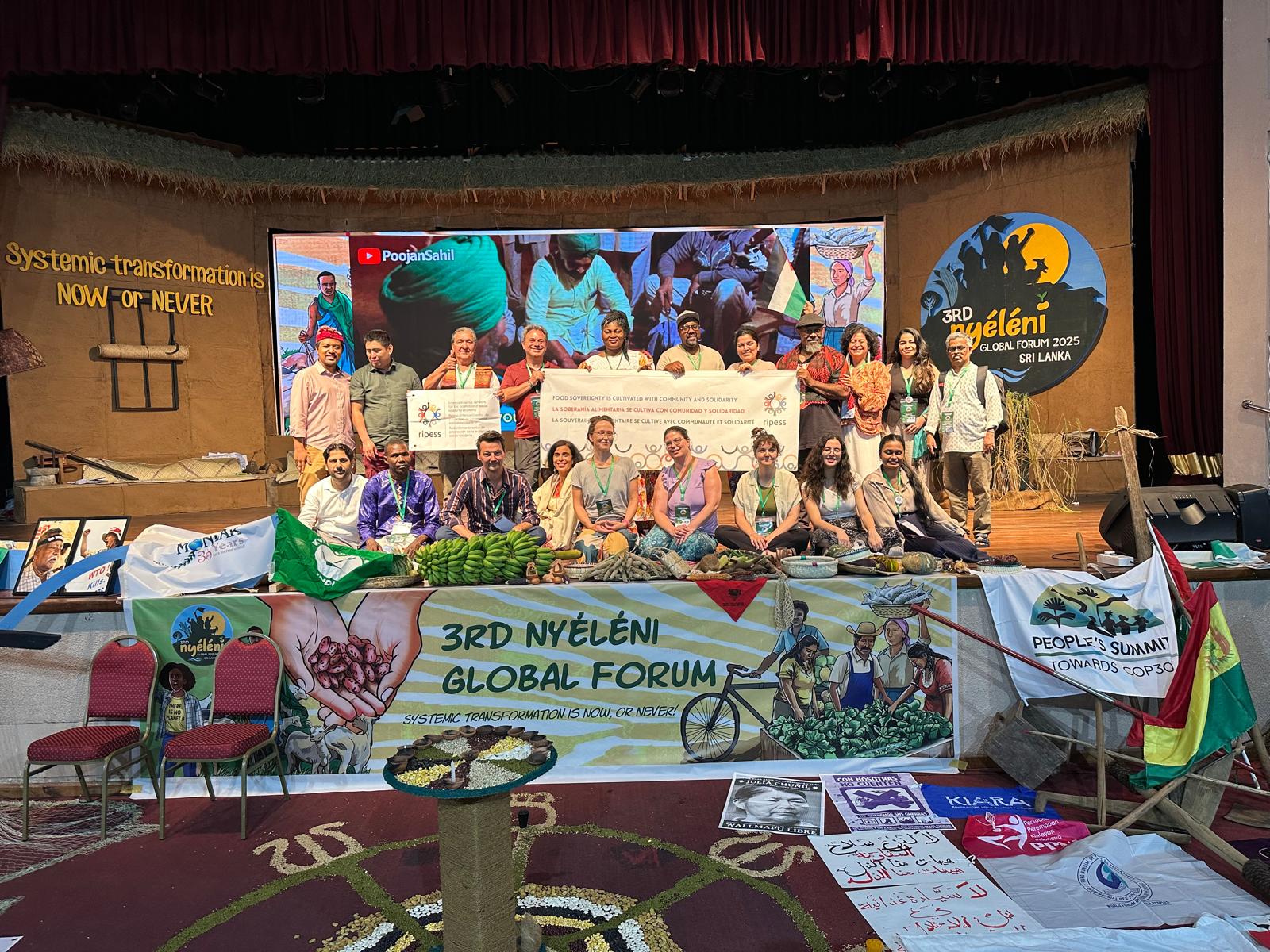
I was present that morning, as a delegate from the Asian Solidarity Economic Council (ASEC), part of RIPESS, a global network committed to the promotion of Social Solidarity Economy. At our core, we believe in the ability to build and strengthen an economy that places people and planet at the center of its activities. Numerous examples of successful cooperative models and social solidarity economies around the world already exist. Our networks work towards advocating for it at a policy level, that would have a greater impact on people’s well-being.
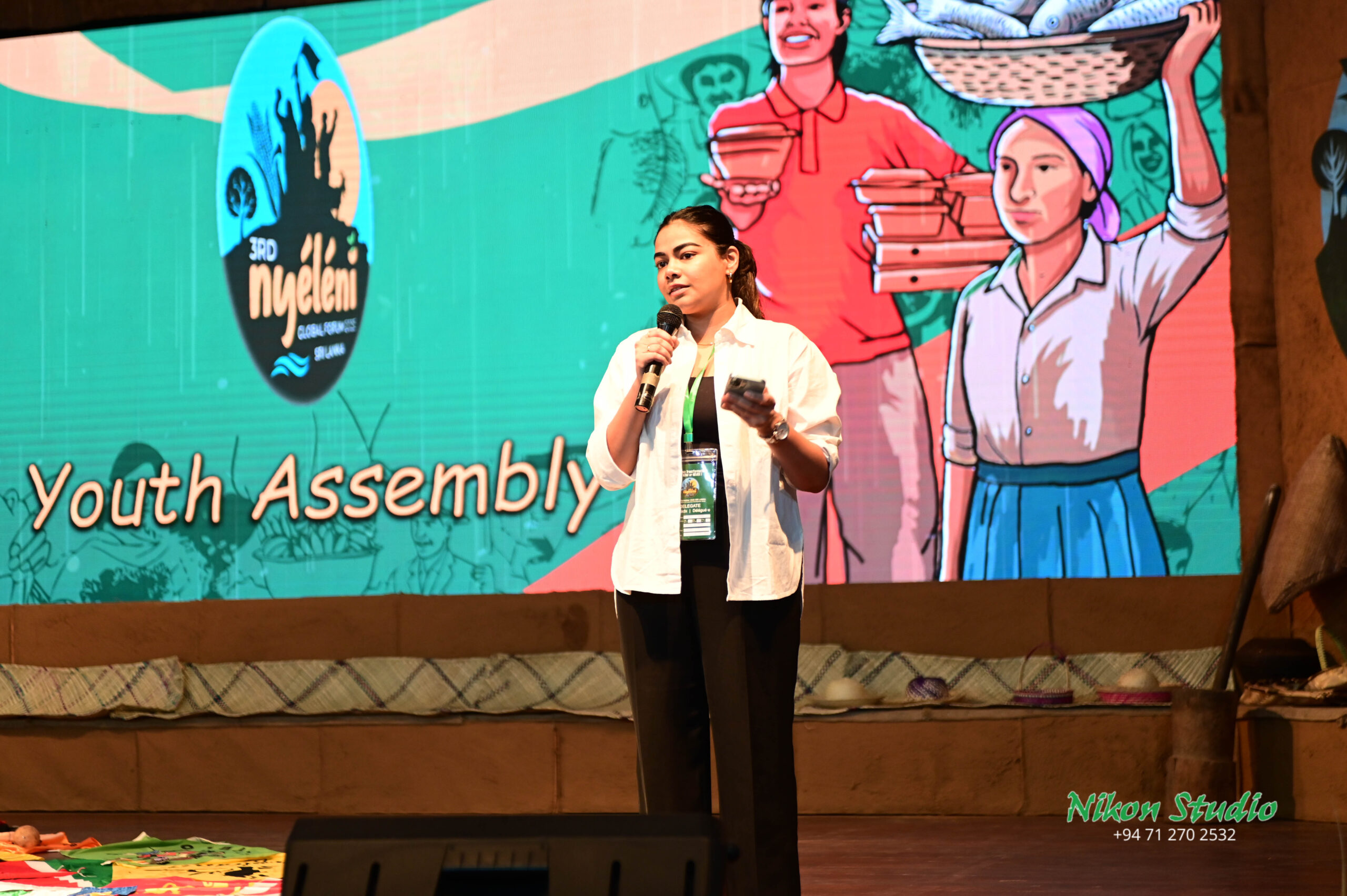
The session begins and speakers from all past forums come to the stage one by one to share their stories and experiences. The leaders of global organizations advocated for one common message: food sovereignty is more than food, it’s a movement and everyone has a seat at the table.
We scuttered into meetings and assemblies for the rest of the week, diving into conversations about human rights, justice, food rights and sustainability. Throughout the week, it felt as though the participants were in absolute synchrony. When the Palestinian delegates spoke of the atrocities in Gaza, I watched as farmers from the Bhartiya Kisan Union (BKU) waved their flags in solidarity and the entire crowd unanimously chanted “Free-Free Palestine!”. When the farmers raised their voices with “Kisan Ekta,” the crowd answered back in unison with a resounding “Zindabad!”. There was this unmistakable energy of a shared fight for dignity and freedom. When it comes to solidarity, there are no language barriers.
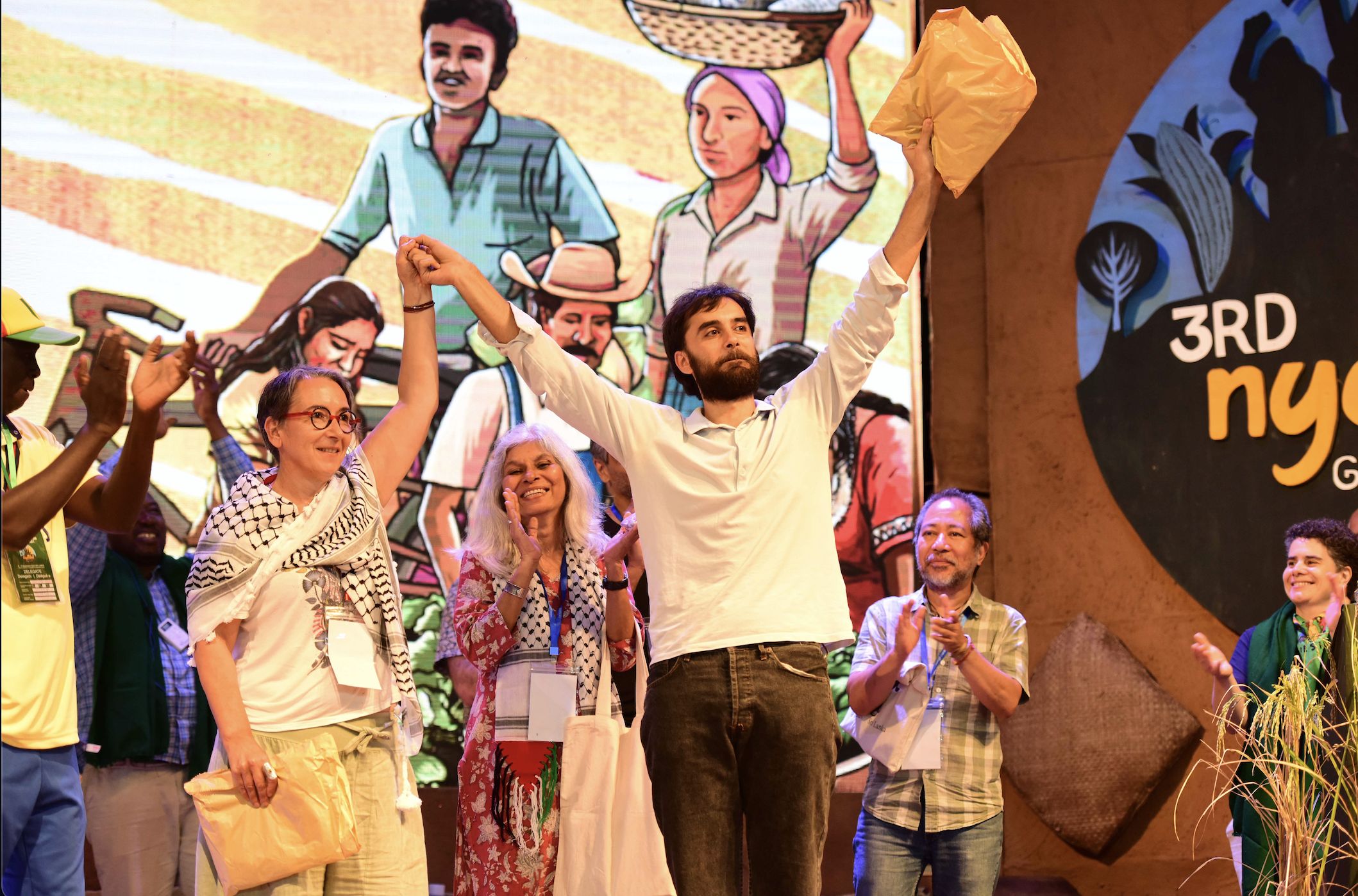
We spent hours together, shared meals and drinks, and participated in sessions that went late into the night, drafting the Common Political Action Agenda (CPAA) document, to advocate for our common goals. The document is planned to be launched during the United Nations Climate Change Conference – COP30 in Brazil. No one complained about the hours or the work. My worldview as I know it, had changed. I came to this event thinking it would be a collaborative space to share ideas, network, draft a document and talk about food sovereignty. I leave knowing that I am a part of a movement far bigger that I could have ever imagined.
From the volcanic and mountainous IX Region of Araucanía in Chile to the Saharan oasis Drâa-Tafilalet in Morocco, delegates from over 100 countries came together to share stories of pain, courage, coalition building, activism and supporting the right side of history. To have the opportunity to collaborate and talk to some of the brightest minds and share this experience is not something I take lightly.
My friend Hussan (leading the Migrant Workers Alliance for Change) argued that each of us present is a Comrade in our own version- Saathi, Compañero, Ndugu, Sahai. While we debated on the socialist and communist afflictions of the term, in retrospect, I seem to agree.
Afterall, to care is a form of resistance and collective action is a show of camaraderie.
Systemic Transformation is NOW or NEVER!
This post was first published on Linkedin by our Program Director- Ms. Pranati Panda. You can connect and engage with the post here:
📩 Collaborate with us: info@parinaama.org
💡 Help create impact: https://payments.cashfree.com/forms/pdf-donation
