We work FOR and WITH communities.
Lasting change comes from programs delivered while building trust, transferring skills, and stepping back. Parinaama's entire way of working, across every program, in every state, is built on three operational principles.
01
ENGAGE
02
ENABLE
03
EMPOWER
Why approach matters
The how is as important as the what.
There is no shortage of well-funded programmes that have come and gone from rural India without leaving anything behind. They delivered services, reported numbers, and left. The communities absorbed the disruption and returned to where they were.
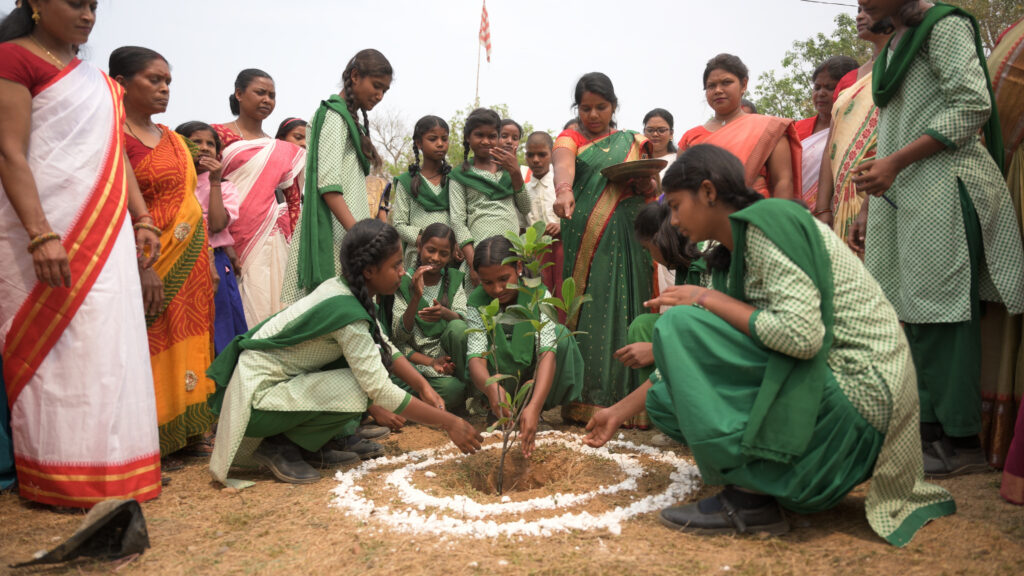
Parinaama’s work is built on a different premise. Communities are not beneficiaries. They are partners. The people who live in a village understand it better than anyone who visits it. Our job is not to replace what they know — it is to build on it.
This means working slowly. It means staying long after a project is complete. It means training local people rather than deploying external staff. It means measuring success not just in outputs, but in whether the village still needs us at all.
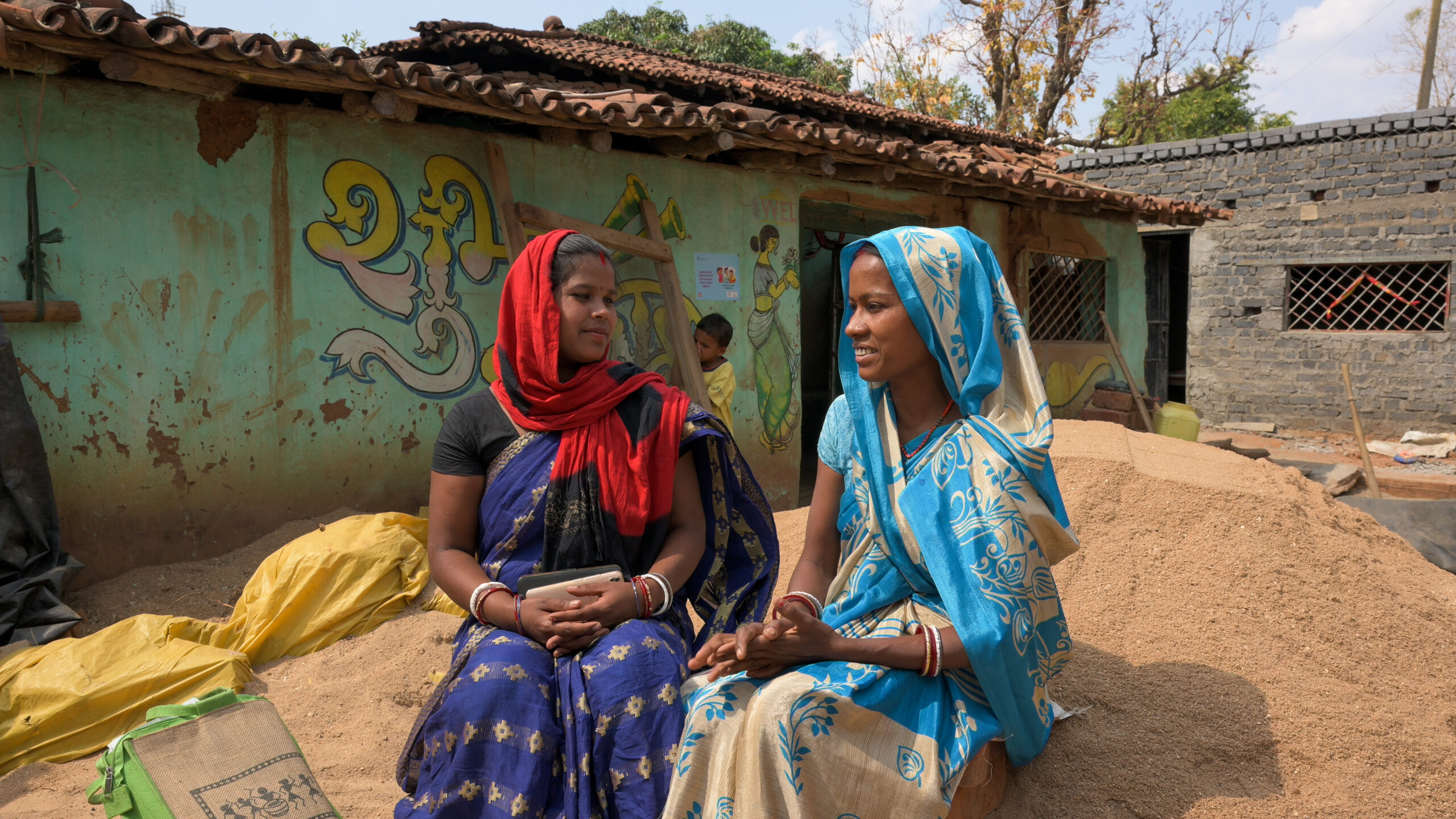
Aspire is delivered by our Sathis — community trust-builders who are already present in the village, known to the families, and trained to identify young people who are at risk of dropping out or drifting into uncertainty.
Aspire doesn’t work in isolation. It works because of everything Parinaama has built around it — the livelihoods that stabilise families, the health programmes that keep young people well, the women’s leadership networks that change what communities believe is possible for their daughters.

The three principles
Every programme Parinaama runs — from foundational literacy to microenterprise development — moves through the same three stages.
Engage
We enter communities through patient relationship-building, not project announcements. Our Sathis — drawn from within the village itself — are our primary point of contact, present before any programme begins and long after it ends.
- Door-to-door surveys to find out-of-school children
- Community advocacy meetings — Jan Sabhas
- Long-term presence in the same geographies
Enable
Transfer knowledge and tools — not dependency.
We train local people rather than deploying external staff. Local teachers run DreamBright centres. Community Health Volunteers carry health knowledge. Women’s collectives negotiate directly with markets. The skill stays in the village.
- Local teacher training for DreamBright
- Community Health Volunteer training
- Digital literacy for rural youth and SHG leaders
Empower
Over 80% of our direct participants are women from Tribal, Dalit, and OBC communities. When empowered, these are the people who change the most — for themselves, their children, and everyone around them.
- Women-led producer groups and SHG collectives
- Panchayat Raj leadership training
- Sathis as long-term community leaders
The people behind the work
The Sathis
Sathi — companion on the journey
Survey & identification
Door-to-door surveys finding children out of school or at risk of dropping out — no child stays invisible.
Community advocacy
Attendance & follow-up
Trust anchor
Why our system works
01
We stay
The Sathi who identified a child in 2018 is still in the village in 2026.
02
We work within existing structures
Anganwadi centres, government schools, PRIs, SHGs — strengthening what exists, not replacing it.
03
We train insiders, not outsiders
Every teacher, every health volunteer, every Sathi is from within the community.
04
We work on the whole picture
05
We are led by evidence
Assessment, attendance tracking, SHG monitoring — all of it feeds back into how we work.
06
We centre the most marginalised
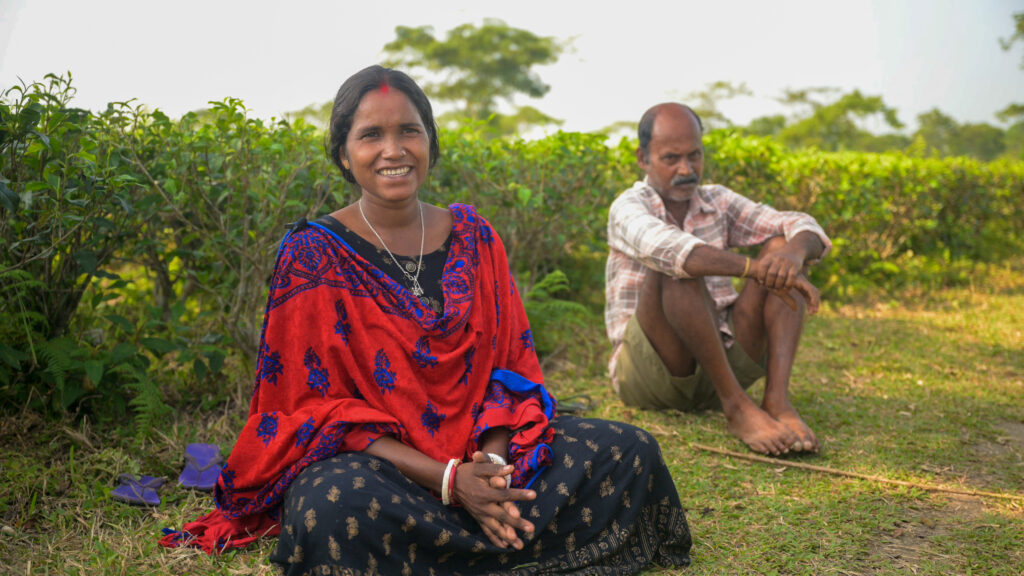
"I have been working in a tea garden for as long as I can remember. I wasn't given a chance to do anything else or choose another life. I'm hopeful that the opportunities being given to my children currently will change their reality for the better."
Krishna Murmu Soren
Rampur Tea Garden, Jalpaiguri, West Bengal
Read more about our impact on the ground
Health & Climate Resilience
In rural India, health and climate are inseparable. Erratic monsoons destroy harvests and push families into crisis. Heatwaves keep children out of school. Contaminated water sources drive preventable illness. At Parinaama, we address health and climate not as separate issues, but as a single, urgent challenge.
Our programmes combine community health awareness – focused on maternal health, nutrition, and preventive care – with climate resilience work that helps villages adapt to a changing environment. From promoting clean water practices to building climate-smart habits among young people, we are preparing communities not just for today, but for the decades ahead.